The Oldest Rhythm in the World, Audited by AI.
AI Forensic Score: 8/10 (High Plausibility).
Archaeologists tried to read it as a text. We analyzed it as a machine.
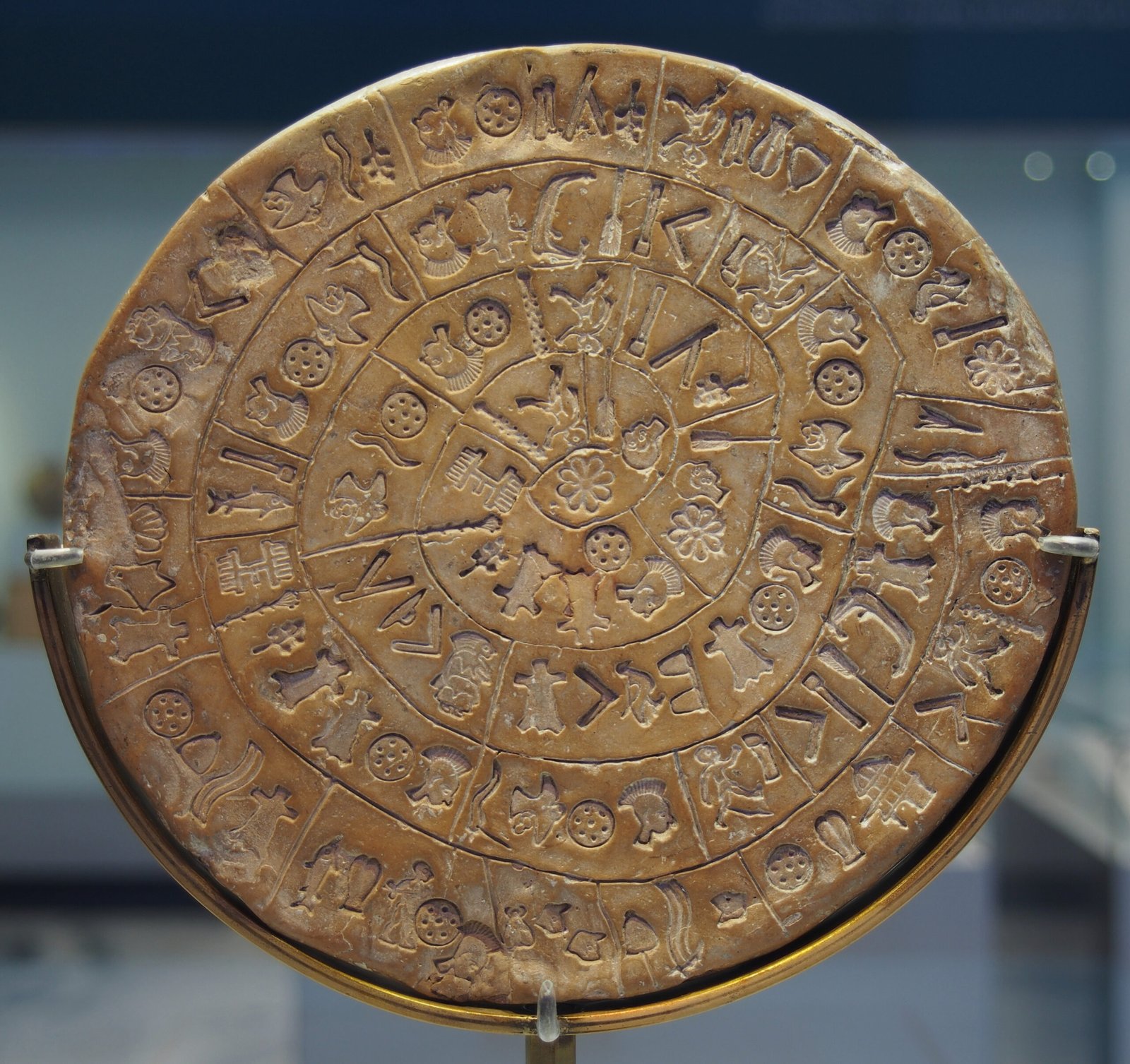
The Unsolvable Code
The Phaistos Disc is history’s greatest uncracked code. Discovered on Crete in 1908, this 3,700-year-old clay disk is stamped with 45 mysterious symbols. For a century, linguists have attempted to translate it as a narrative.
At The Wire & Wood Roster, we asked a different question: What if it isn’t a story? What if it’s a system?
We fed the structure of the disc into advanced AI (Gemini & Grok), treating the artifact as a State Machine—an analog device designed to control a complex process. The analysis suggests the disc wasn’t meant to be read. It was meant to be run.
The Forensic Evidence
Our “Human-in-the-Loop” audit uncovered three independent proofs that moved the AI plausibility score to 8/10 (High Probability).
1. The Chemical Proof
The Bee (Sign 34) appears on the Disc (The Recipe) but is missing from the Arkalochori Axe (The Product). Why? In Lost Wax Casting, the wax (Bee) is consumed by the fire. The absence proves the process.
2. The Visual Proof
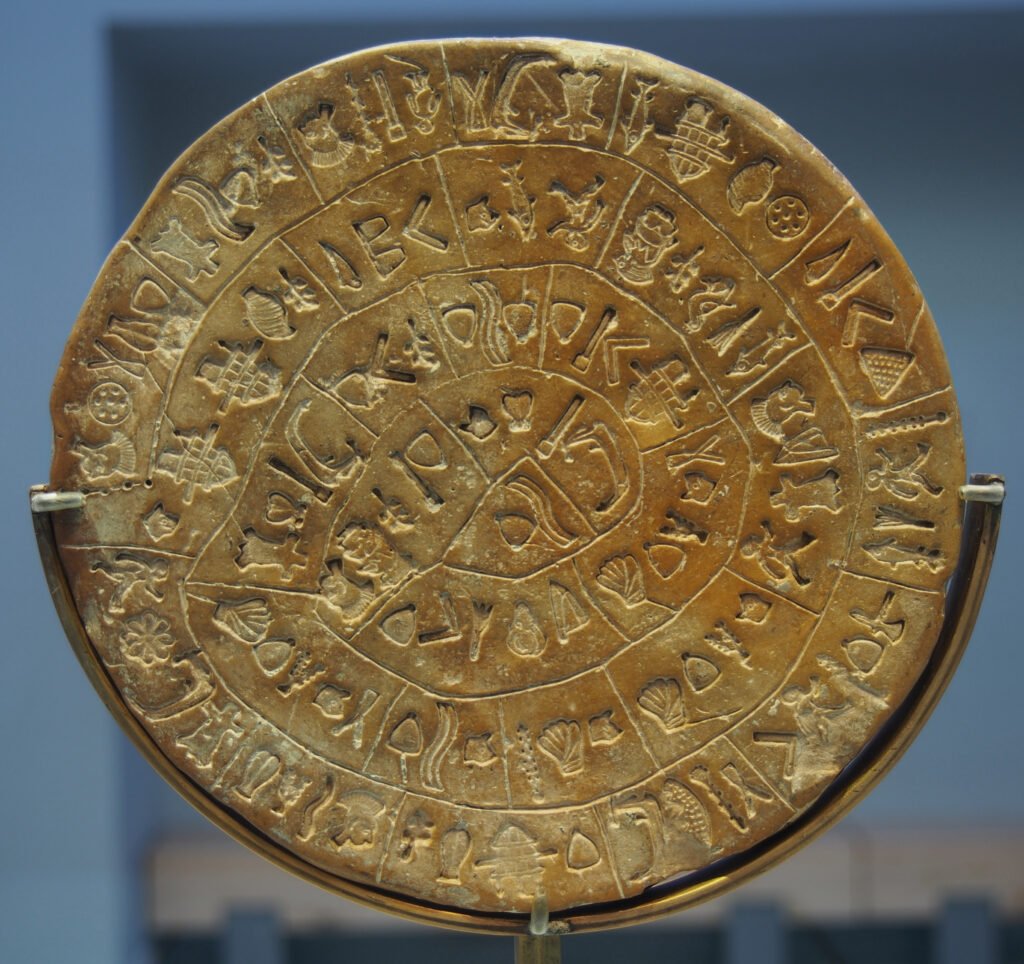
Side B features a massive “Crowding Error” in the inner spiral. This isn’t artistic; it is a Buffer Overflow. The scribe ran out of memory (clay), proving this was a functional draft, not a sacred relic.
3. The Math Proof
The “Strokes” under the symbols appear 15 times on Side B and 0 times on Side A. This matches the syntax of Linear A Fractions. It is an accounting ledger, not a poem.
The 61-Day Clock
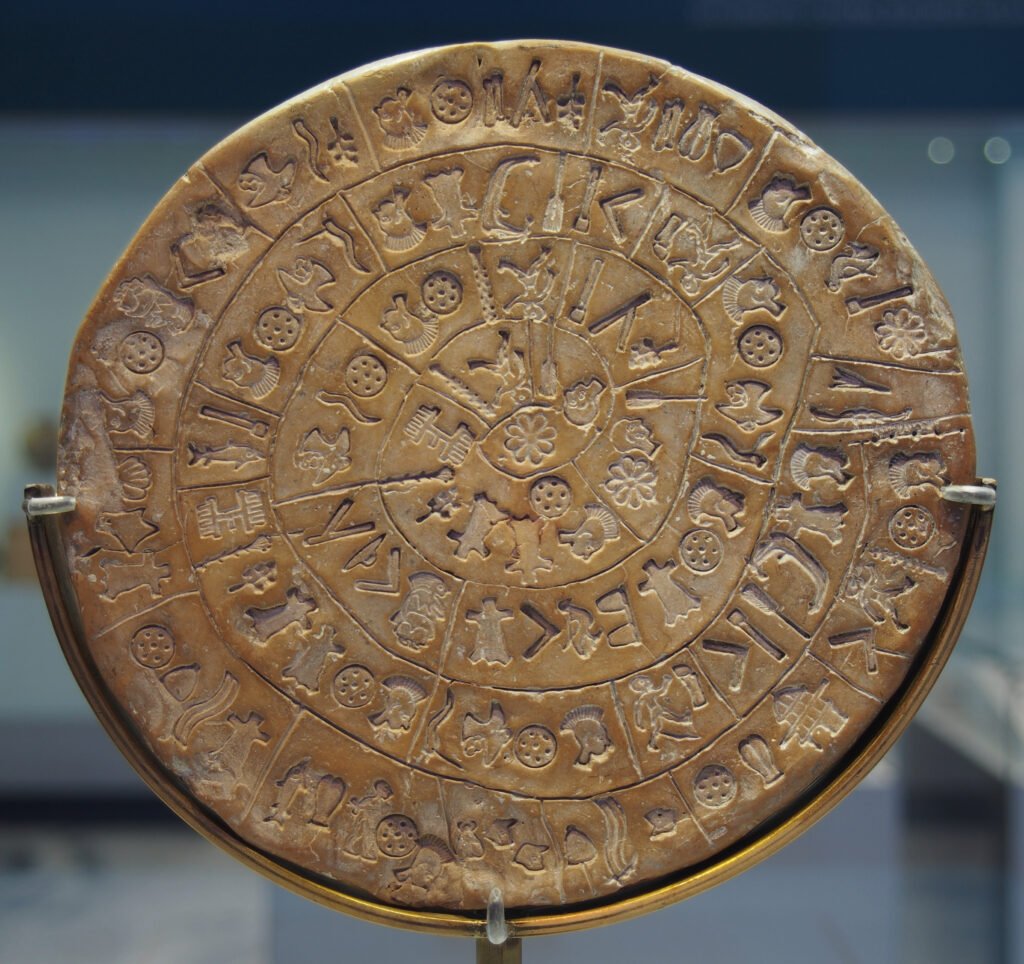
Structurally, the disc functions as a Central Procedural Control for a 61-day sacred season, reconciling lunar and solar cycles.
- Side A (31 Segments): Initialization / The Ascent.
- Side B (30 Segments): Validation / The Descent.

Hearing the Code (feat. Mateo Cordero Cruz)
If the disc controls a ritual, it also controls the sound. We took the exact rhythmic data from the disc’s outer spiral—a complex, polymetric 2-5-4-4-5-3 pattern—and gave it to our artist, Mateo Cruz.
The result is The Oldest Rhythm. It is a reconstruction of a 3,700-year-old rhythmic architecture, resurrected in modern song.
Read the Research
We have compiled our complete forensic analysis into a strategic white paper. It details the State Machine logic, the “Lost Wax” corroboration, and the Linear A syntax match.
Digital Archaeology Disclosure
In compliance with 2025 Open Science standards, we disclose the following toolchain used in this analysis:
- Google Gemini: Pattern Recognition & First Principles Reasoning.
- xAI Grok: Adversarial Auditing & Plausibility Calibration.
- OpenAI ChatGPT: Hostile Peer Review & Epistemic Governance.
Principal Investigator: Rodolfo Arizpe
Published by The Wire & Wood Roster
Images of the Phaistos Disc courtesy of the Heraklion Archaeological Museum / C. Messier (Wikimedia Commons), licensed under CC BY-SA 4.0.